Published: 07:23 PM, 21 August 2025
Hakaluki Haor: Biodiversity, Cultural Heritage and Environmental Challenges
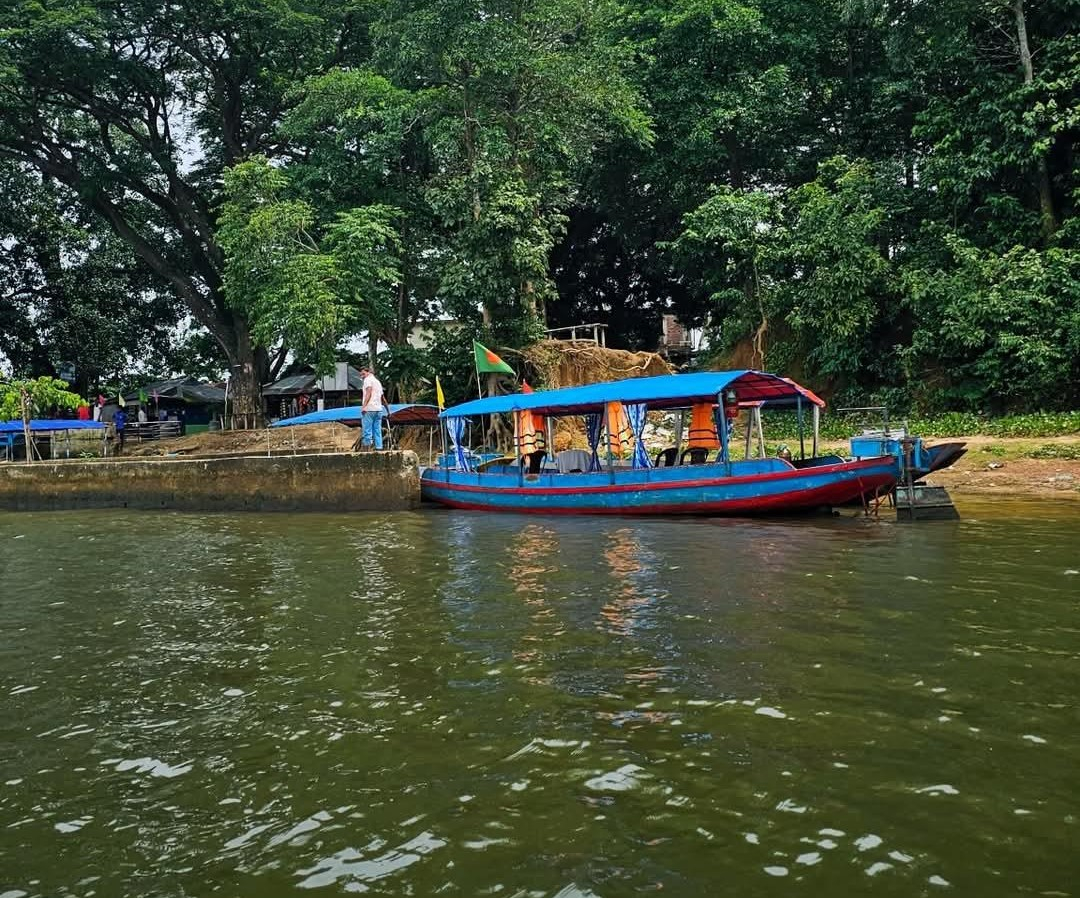
Sangram Datta : Hakaluki Haor, situated in the northeastern region of Bangladesh, is one of the country’s largest wetland ecosystems. Spanning across Moulvibazar and Sylhet districts, the haor is renowned for its rich fisheries resources, aquatic vegetation, migratory birds, and the unique Bathan cattle-rearing culture. However, in recent decades, environmental balance has been severely disrupted due to excessive pesticide use, unscientific fishing practices, and deforestation. This article explores the geographical setting, biodiversity, cultural traditions, and current ecological threats of Hakaluki Haor.
Geographical Setting:
Hakaluki Haor lies in a low-lying depression between the Patharia Hills in the east and the Bhatera Hills in the west. The Juri and Panai rivers supply fresh water from the surrounding hills, while the Kushiyara River carries water out from the north. During the monsoon season, the haor expands into a vast wetland of about 80 miles in length. Its total area covers approximately 18,115 hectares, of which nearly 4,400 hectares are occupied by beels (permanent water bodies).
Origin of the Name:
The name “Hakaluki” is surrounded by folklore. Some believe it originated from the phrase “Hangor Luki” (literally meaning “hidden shark”), while another interpretation suggests that the Kuki and Naga tribes once named the area Hakaluki, meaning “hidden treasure” in their language.
Aquatic Vegetation:
The floral diversity of Hakaluki Haor can be categorized into several groups:
Submerged plants: Kureli, Jhanji, Jalpipul.
Free-floating plants: Water hyacinth, Tentalapana.
Rooted floating plants: Singra, water chestnut, Shushani greens.
Grasses and aquatic herbs: Helencha, Kalmi, Binna.
Reed-like plants: Nalkhagra, Khag, Aish.
Flooded swamp forest species: Hijal, Barun, Karanza.
These plant communities play a crucial role in maintaining the haor’s ecological balance and providing habitats for fish and wildlife.
Fisheries Resources:
Hakaluki Haor is one of the richest fish habitats in Bangladesh. Around 100 species of fish—including Rohu, Catla, Boal, Ayer, Kalibaus, Pabda, and Chital—are found here. The annual fish production is estimated at nearly 2,500 metric tons. However, overfishing, poisoning, motorized boats, and the exploitative lease (ijara) system have caused a significant decline in fish stocks.
Birds and Wildlife:
Hakaluki Haor is famous for its resident and migratory birds. Thousands of migratory birds, including ducks and waders, used to flock here during winter. Unfortunately, their numbers have been declining sharply in recent years. The swamp forests of Hijal and Koroch also provide shelter to a variety of wildlife.
Bathan Culture:
One of the most distinctive socio-economic features of Hakaluki Haor is its Bathan system of cattle rearing during the dry season. Local farmers entrust their cattle to Bathan owners, who graze them in the open haor grasslands. In return, they receive milk and yogurt, which form an important part of the local economy.
Folklore and Beliefs:
Hakaluki Haor is also enriched with folklore. Fishermen often speak of a ghostly force called Afd, which they believe confuses and misguides them while fishing at night. Another legend, Machher Rakhal (“the Shepherd of Fish”), tells of a mystical figure who leads thousands of fish from upstream to downstream.
Environmental Challenges:
Despite its richness, Hakaluki Haor faces multiple ecological threats:
Excessive pesticide use in paddy fields contaminates water and hampers fish breeding.
Deforestation of swamp forests reduces natural flood control and accelerates erosion.
Motorized boats cause both water and noise pollution.
The number of migratory birds has been decreasing drastically.
Overall biodiversity is at risk due to unregulated exploitation.
Conclusion:
Hakaluki Haor is not only a natural treasure of Bangladesh but also an integral part of its cultural heritage, agriculture, and ecological stability. Its fisheries, swamp forests, migratory birds, and Bathan system reflect a unique blend of biodiversity and human livelihood. However, without sustainable management, reforestation initiatives, reform of the lease system, and eco-friendly agricultural practices, the very existence of this invaluable wetland will remain under threat.