Published: 12:08 PM, 17 April 2026
Bangladesh’s Historical Lakhai Datta Clan in Sylhet Division
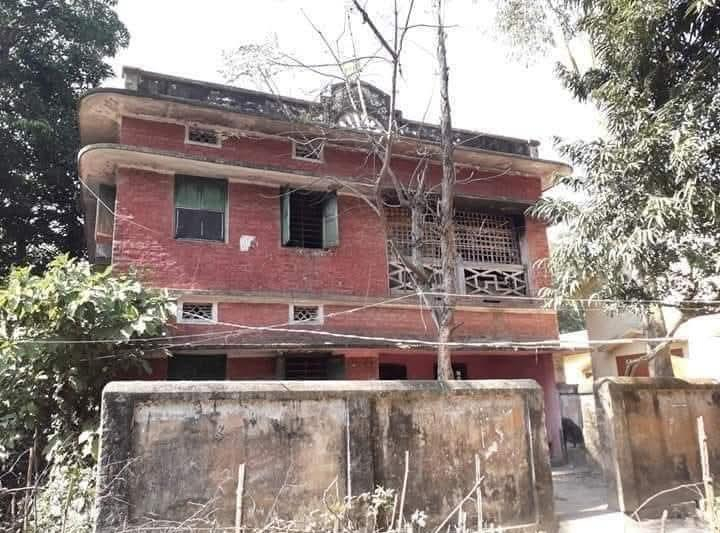
Sangram Datta: The history of Bangladesh is deeply enriched by the legacy of distinguished families whose contributions shaped the intellectual, political, and cultural landscape of the region. Among them, the Datta clan of Lakhai in present-day Habiganj District—formerly under the Habiganj subdivision of Sylhet District during British India—stands out as a remarkable example of heritage, scholarship, and public service.
Centered in Swajangram (later known as Township) in Lakhai Upazila, this family, descended from Chakrapani Datta, rose to prominence during the British era as one of the most enlightened and highly educated lineages across Bengal and Assam. Their influence extended far beyond their ancestral home, leaving a lasting imprint on administration, academia, law, politics, and social reform across the subcontinent and beyond.
Historical Background and Legacy
Lakhai is home to the historic residence of the Datta family, located in Swajangram (Township) in Lakhai Upazila of Habiganj District under the Sylhet Division of Bangladesh. During the British era, the family was widely regarded as one of the most educated and progressive across West Bengal, East Bengal, and Assam. At one point, approximately 120 members of the family held high-ranking official positions.
It is said that during British rule, officials visiting Lakhai from Shillong, Guwahati, and Sylhet would disembark from their vehicles in front of the Datta residence and proceed on foot to the police station as a mark of respect.
Members of the Lakhai Datta family lived and worked in Sylhet, Silchar, Shillong, Kolkata, Delhi, London, and New York. Despite their global presence, they maintained a deep connection to their ancestral home. During Durga Puja, family members would return to Lakhai, bringing generators by steamer from Kolkata to illuminate the entire village in celebration.
Distinguished Members of the Datta Clan
The Lakhai Datta family produced an extraordinary number of prominent individuals across diverse fields.
Among them were Advocate Ramkumar Datta, a distinguished lawyer of the Calcutta High Court and a close associate of Ishwar Chandra Vidyasagar; Advocate Abinash Chandra Datta, another eminent lawyer of the same court; and Advocate Nagendra Nath Datta, a freedom fighter, editor, and author of Shribhumi Smritikatha. Shreesh Chandra Datta was elected to the Central Legislative Assembly of India in 1926.
Rai Bahadur Advocate Satish Chandra Datta, founder of Lakhai Thana, was elected to the Central Legislative Assembly in 1930 and served for a time as Speaker. Rai Bahadur Hem Chandra Datta was elected to the Assam Parliament in 1937 and 1940. Jyotsna Rani Datta was elected once to the Assam Parliament and three times to the Indian Parliament.
Other notable figures include Advocate Dharmadas Datta, a Congress politician; Congress leader Haripada Datta; and Dr. Bhabatosh Datta, an economics professor at Calcutta Islamia College and a teacher of Bangabandhu Sheikh Mujibur Rahman.
The family also contributed significantly to political and social movements. Comrade Barin Datta was a Language Movement activist and organizer of the Liberation War, while women’s leader Hena Das played a similar role. Prashanta Datta was a language activist, Trailokya Datta a farmer leader, and Surendramohan Datta a leader of the Swadeshi Movement.
In journalism and the arts, Satyabrata Datta worked with Hindustan Times, and Monmoynath Datta was a film director.
In academia, the family produced numerous scholars, including Professor Hemendra Kishore Datta of Jagannath College, Dhaka; Professor Dr. Digindra Chandra Datta; Principal Rathindra Chandra Datta of Gurucharan College, Silchar; Professor Samarendra Datta of Presidency College, Kolkata; Professor Maitreyi Datta; Principal Sudhindra Chandra Datta; Professor Dr. Chittatosh Datta; Professor Debashree Datta; Professor Dr. Asim Kumar Datta of Oxford University; and Professor Dr. Purnendu Datta. Dr. Ranjit Kumar Datta served as a scientist and professor at the University of Pennsylvania.
In administration and public service, notable figures included Deputy Magistrate Prakash Chandra Datta; educationist Jogesh Chandra Datta; Accountant General Birendra Chandra Datta; Joint Secretary Biresh Chandra Datta; Law Secretary Nirmal Chandra Datta; Colonel Ashok Kumar Datta; and Shishir Kumar Datta, the first ICS officer from Habiganj and later Central Secretary of India. Jyotirmoy Datta Amal served as Chairman of the Central Customs Board of India.
In science, engineering, and medicine, the family produced Dr. Paresh Chandra Datta, the first FRCS doctor from Sylhet Division; mechanical engineer Monindra Chandra Datta; engineers Hirendranath Datta and Birendra Chandra Datta; Dr. Naresh Chandra Datta; Dr. Kalipada Datta; Captain Dr. Amal Kumar Datta; NASA scientist Debashish Datta; Dr. Subir Kumar Datta; Dr. Alokananda Rani Datta; and Dr. Anandita Rani Datta.
Legal professionals included Advocate Suresh Chandra Datta of Habiganj Bar; Advocate Mahesh Chandra Datta of Silchar Bar; noted Sylhet lawyer Charu Chandra Datta; Advocate Nirendu Kumar Datta; Advocate Indra Kumar Datta; Advocate Nabakumar Datta; Barrister Asim Kumar Datta; Barrister Rajkumar Datta; and Barrister Prafulla Kumar Datta.
Other distinguished individuals include Superintendent of Police Sudhir Chandra Datta; DIG Debi Datta; cricketer Punyabrata Datta; Brahmo follower Srinath Datta; Advocate Akhil Chandra Datta, Chairman of Habiganj Municipality; social worker Dip Chandra Datta; tea businessman Subodh Chandra Datta; civil engineer Dhirendra Chandra Datta; District Judge Nalini Kumar Datta; Dhiraj Mohan Datta, author of Lakhai Smriti; Shailendramohan Datta, a social worker and educationist and grandfather of former Deputy High Commissioner of India in Dhaka, Mukta Datta; Jail Superintendent Ramendra Kumar Datta; Krishna Pada Datta (K.P. Datta), a renowned officer in the Tripura Government’s Education Department; Kshitipada Datta, a Grade-1 Senior Scientific Officer at India’s Defence Research and Development Organisation; Professor Nagendra Chandra Datta of Brindaban College, Habiganj; Bhavani Prasad Datta, author of Lakhai Datta Bansher Lipi; Subrata Datta, a Naxalite leader and engineer killed in police firing; and social worker Parimal Datta.
Decline and Transformation
Following the creation of Pakistan on August 14, 1947, members of the Lakhai Datta family gradually left their ancestral homeland. The situation intensified in 1958 when President Ayub Khan imposed martial law, leading to a near-complete decline of the family’s presence in Lakhai.
However, Comrade Barin Datta and his sister, women’s leader Hena Das, remained in Dhaka and became actively involved in Communist Party politics.
In 1960, under Ayub Khan’s “Township” project, administrative activities of Lakhai Thana began operating from the historic Datta residence, which then came to be known as “Township.” Later, on April 15, 1983, when the headquarters of Lakhai Thana was moved to Kalauk in Bamai Union, the buildings of the Datta house fell into disuse.
Architectural Heritage and Present Condition
The Datta estate once comprised a red building, two white buildings, a two-story tin-shed structure that housed the sub-registrar’s office, a kachari (administrative) house, a national school, a library, a dak bungalow, and a Durga temple. Although these structures still exist, they are now in a dilapidated condition.
The red building was originally the residence of Rai Bahadur Advocate Satish Chandra Datta. It was later inhabited by social worker Dip Chandra Datta and his family, and subsequently used as the residence of the Circle Officer (C.O.) of Lakhai.
Today, parts of the estate house the Lakhai No. 1 Union Parishad office, land office, Lakhai Haji Karim Hossain Government Primary School, a madrasa, an orphanage, a mosque, shops, markets, and residential structures.
Few visible traces of the historic Datta family remain, and much of their legacy has faded from the physical landscape.
Historical Significance
Members of the Datta family played vital roles in major historical movements, including the anti-British struggle, the Swadeshi Movement, the Language Movement, and the Liberation War. Their contributions reflect a legacy deeply intertwined with the broader history of the region.
Today, the legacy of the Lakhai Datta clan stands at a critical crossroads. Once a vibrant center of culture, administration, and celebration, the historic Datta residence now faces decay and gradual erasure. Despite the family’s far-reaching contributions—from the anti-British and Swadeshi movements to the Language Movement and the Liberation War—the physical remnants of their heritage remain neglected.
With allegations of land encroachment through false claims of inheritance and forged documents, a significant chapter of regional history is at risk of being lost. Yet, there remains a clear opportunity for preservation and recognition. By transforming the historic red building into a “Museum of the Historic Datta Family of Lakhai” under the Department of Archaeology, the Lakhai Upazila administration can safeguard this legacy for future generations.
Such an initiative would not only preserve the memory of an extraordinary family but also reinforce Bangladesh’s broader historical narrative—ensuring that the story of the Lakhai Datta clan continues to inform, inspire, and endure.